
Plants for Fungus Gnats
-

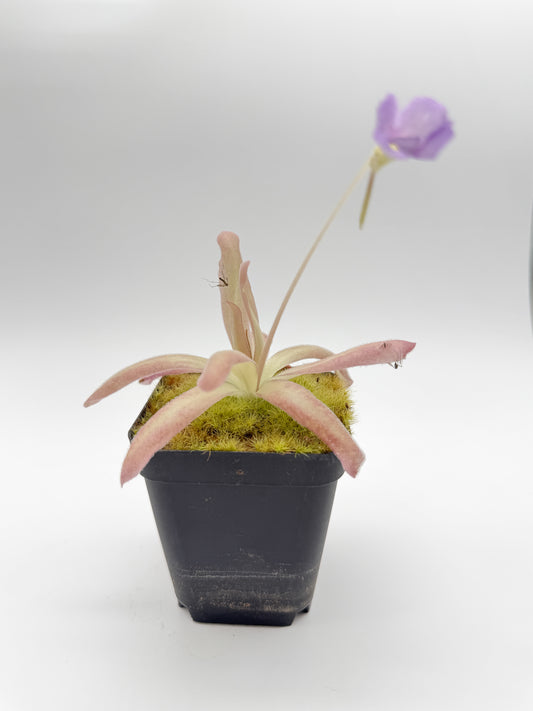 Sold out
 -

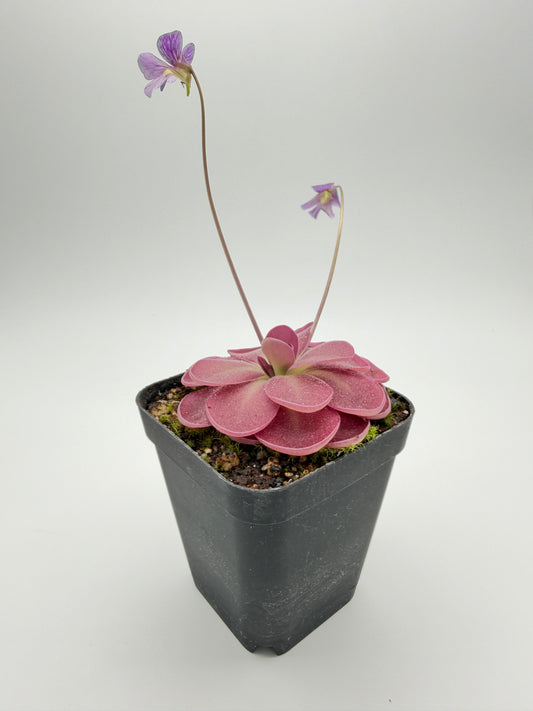 Sold out
 -
Pinguicula 'Pirouette'
Regular price $32.99 USDRegular price -

 Sold out
 -
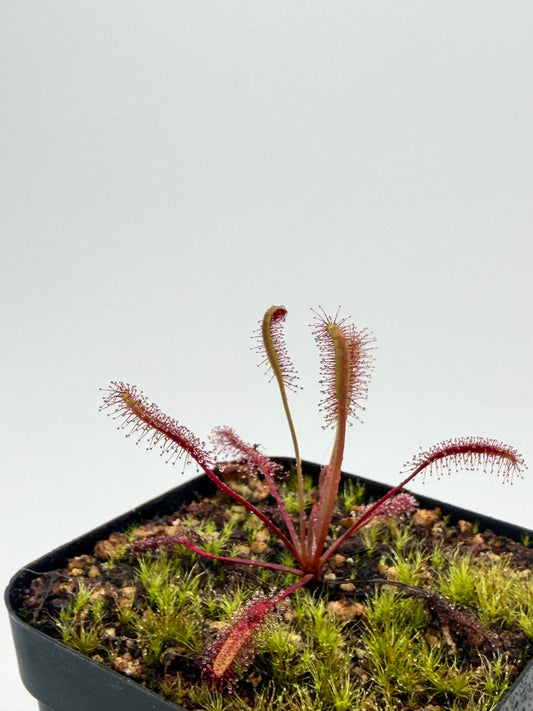
Pinguicula agnata 'El Lobo'
Regular price $24.99 USDRegular price -

 Sold out
 -
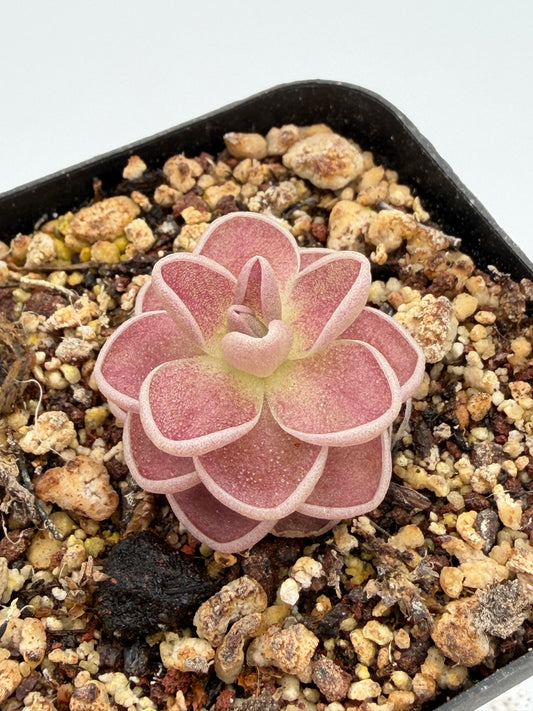
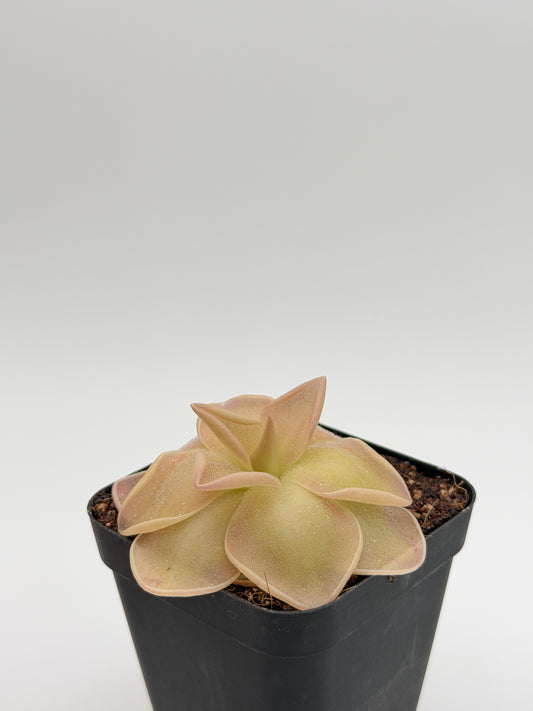
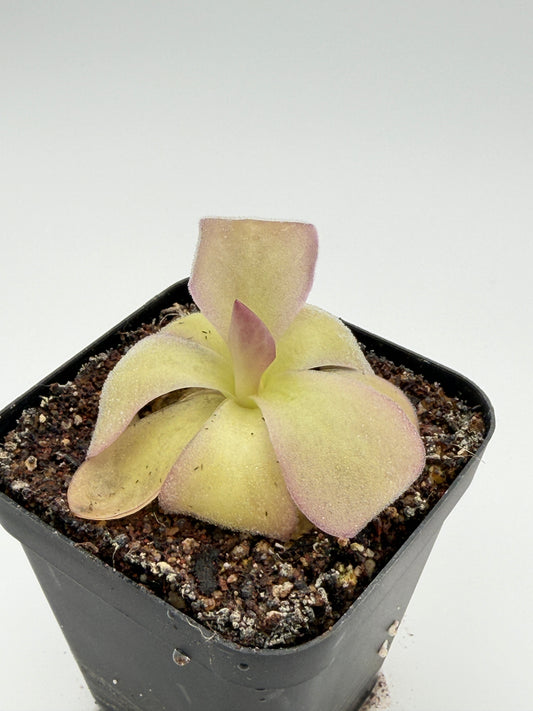
Pinguicula gigantea × moctezumae
Regular price $35.99 USDRegular price -
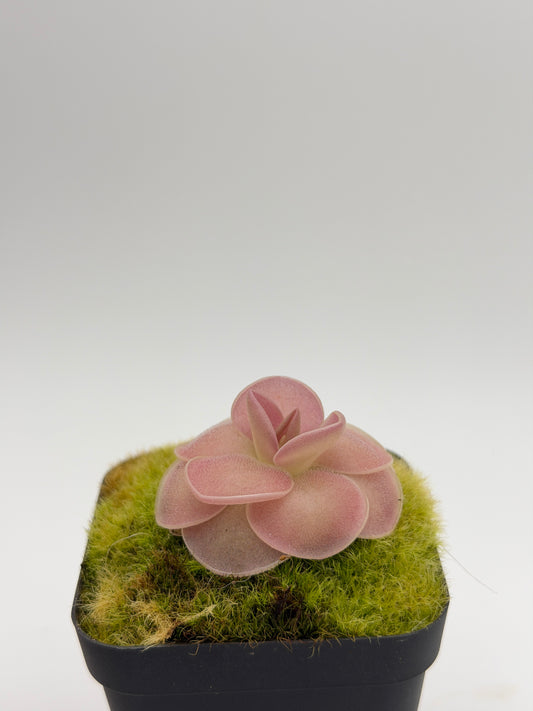
Pinguicula agnata × emarginata 'Sakurahime'
Regular price From $22.99 USDRegular price -

 Sold out







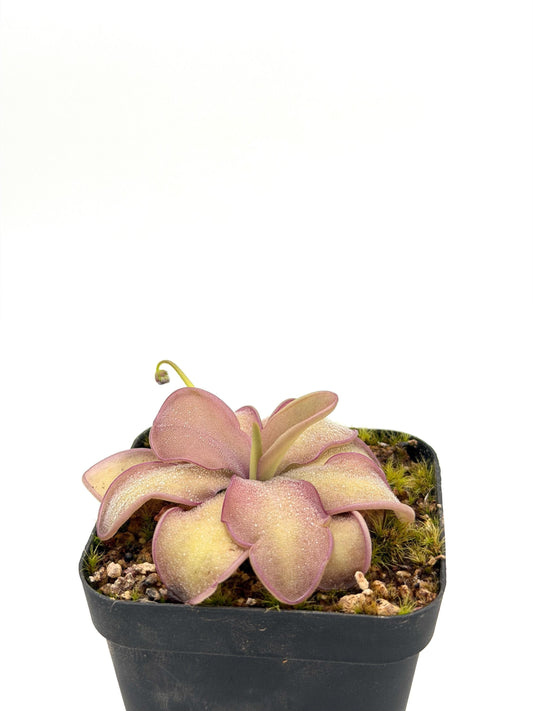

About these plants
Fungus gnats breed in damp potting mix and the adults spend their short lives drifting between your pots. Carnivorous plants catch those adults on sticky leaves, all day, without traps to refill or anything to spray. It is how these plants feed.
Every plant on this page traps gnats. Which one to pick comes down mostly to leaf area, covered below.
What to realistically expect. A butterwort is population control, not extermination. It removes adults before they lay the next generation, which shrinks the population over the following weeks. It cannot reach larvae already in your soil, so for a heavy infestation let the top of the mix dry between waterings and run yellow sticky cards at the same time. One rosette per plant shelf is a sensible ratio.
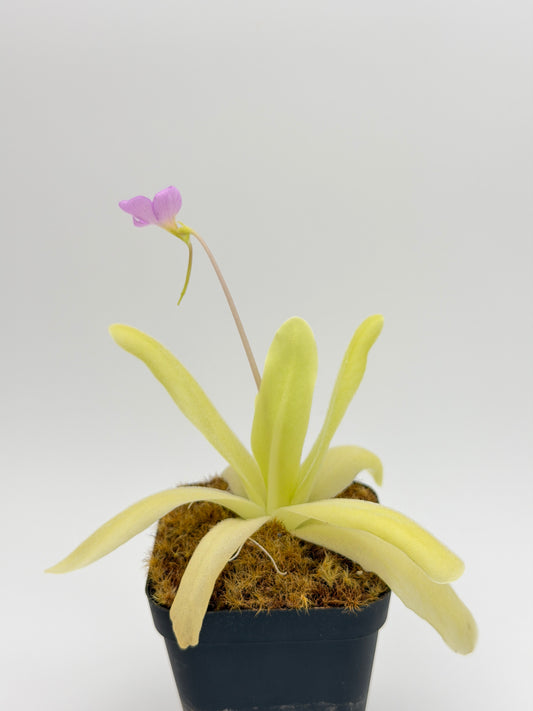
Which one to pick. Leaf area is what matters. Pinguicula 'Aphrodite' has the most, with arching leaves up to 10 inches, and P. gigantea × moctezumae is next at around 8 inches. 'Johanna' and 'Pirouette' are compact, cheaper, and easy for a first plant; two small plants spread across a shelf often catch more than one large plant in a corner. The red Cape sundew does the same job with dew instead of mucilage and wants a wetter pot.
The full write-up, including where to place a plant for the most captures and how to keep the leaves sticky, is in using Pinguicula to control fungus gnats. General care is in the care guide.